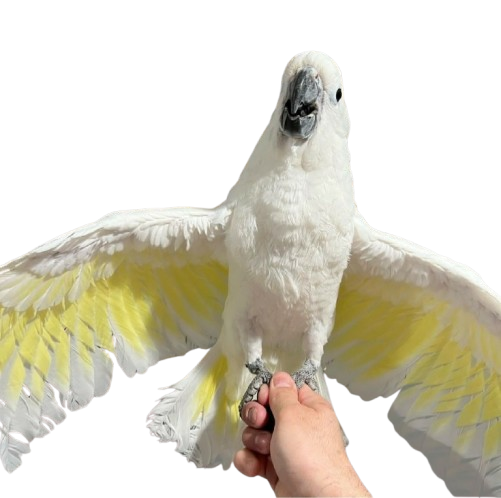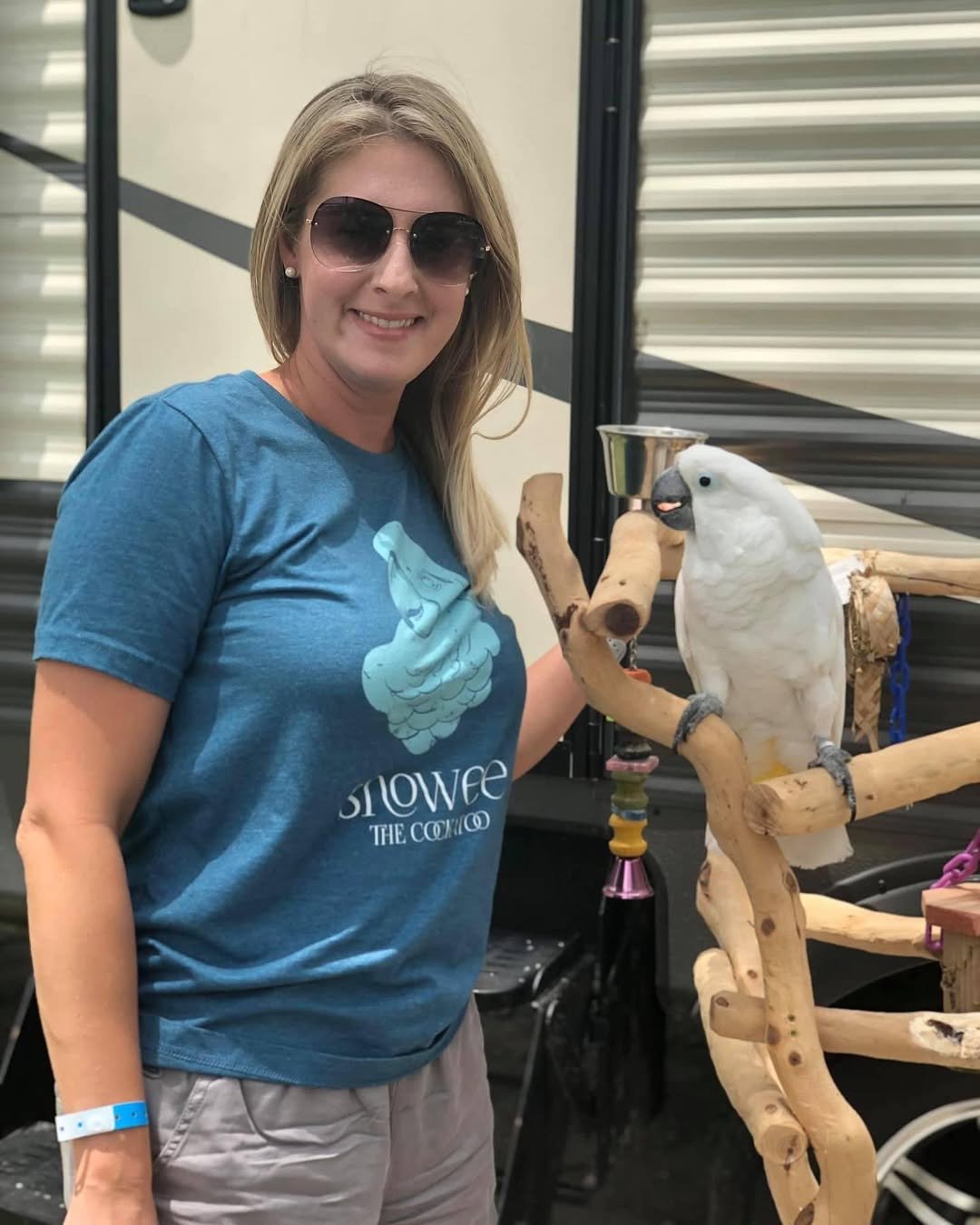
What kind of cage is best for a cockatoo?
Choosing the right home for your bird means balancing interior space, bar thickness, and material safety to prevent escape or injury. For a large cockatoo, you need a cage measuring at least 40 x 30 x 48 inches with 1″ to 1.5″ bar spacing, while smaller species like Galahs do well in 36 x 24 x 48 inch enclosures. Stainless steel is the gold standard for durability against powerful beaks, though high-quality powder-coated wrought iron is a common and reliable alternative.
Key Takeaways
- Minimum Size: 40″ W x 30″ D x 48″ H for large species; smaller cockatoos need at least 36″ W.
- Bar Spacing: 1″ to 1.5″ for large birds; 3/4″ to 1″ for smaller ones to prevent head entrapment.
- Material: 304-grade stainless steel is the safest and most durable against “beak-demolition.”
- Safety: Look for bird-proof latches, as cockatoos are notorious escape artists.
What kind of cage is best for a cockatoo for long-term health?
I’ve spent years watching these birds interact with their environments, and if there’s one thing I’ve learned, it’s that a cockatoo views its cage as a giant puzzle to be solved. When people ask me what kind of cage is best for a cockatoo, they’re often looking for a specific brand, but I always tell them to look at the engineering first. These birds have incredible jaw pressure. I once saw a Moluccan pop a weld on a cheap decorative cage like it was a piece of dry pasta. It’s not just about keeping them in; it’s about making sure they don’t hurt themselves trying to get out.
A “best” cage has to be a sanctuary, not just a box. Since cockatoos are incredibly social and active, the cage needs enough horizontal space for them to move side-to-side and flap their wings fully without hitting the bars. If you can afford a walk-in aviary, that’s the dream, but for most homes, a heavy-duty “palace” style cage is the standard. I personally lean toward dome-top or play-top designs because they provide extra vertical space or an integrated “porch” for out-of-cage time.
Choosing the Best Cockatoo Cage Materials: Stainless Steel vs. Powder Coated
When deciding what kind of cage is best for a cockatoo, the material is probably your biggest financial decision. I’ve gone through dozens of cages at COCKATOO FOR SALE HOME, and here is my honest take. Stainless steel—specifically 304 grade—is virtually indestructible. It doesn’t rust, it doesn’t chip, and it’s non-toxic. It costs more upfront, but when you consider a cockatoo can live for 60 years, a stainless cage is a one-time purchase.
On the other hand, powder-coated wrought iron is the most popular choice. It’s sturdy and comes in various colors, which is nice for home decor. However, you have to be vigilant. Cockatoos love to “chew” the bars. Once that coating chips, the metal underneath can rust, or worse, the bird might ingest the flakes. If you go this route, check the welds weekly. I think it’s worth mentioned that “Zinc-free” is a non-negotiable label you should look for, as heavy metal poisoning is a heartbreak no owner should go through.
Critical Dimensions: What kind of cage is best for a cockatoo size-wise?
Size is the one area where you should never compromise. I always tell my clients that if you’re questioning if a cage is too small, it definitely is. For the larger guys—like Umbrella or Moluccan Cockatoos—you’re looking at a minimum of 40 inches wide and 30 inches deep. The height should be at least 48 inches of internal living space. Smaller species like the Goffin’s or the Rose-breasted (Galah) can settle into something slightly smaller, around 36 inches wide, but they are so high-energy that more space is always better.
The bar spacing is equally vital. If the bars are too far apart, a cockatoo can get its head stuck, which is a life-threatening emergency. For the big birds, 1 inch to 1.5 inches is the sweet spot. For the smaller ones, keep it between 3/4 inch and 1 inch. Also, check the bar diameter. It needs to be thick enough—usually 5mm or more—so they can’t bend the bars. I’ve seen some “parrot cages” that look great but use thin wire that a determined cockatoo can manipulate in an afternoon.
Top Breeders’ List: Where to Find Quality Cockatoos and Gear
While we focus on the birds here at COCKATOO FOR SALE HOME, finding the right setup often involves knowing who else in the industry is doing things the right way. Here are some recognized names and types of specialists you should look for when sourcing your bird and its housing:
- COCKATOO FOR SALE HOME (Our Professional Breeding Program): We specialize in hand-reared, well-socialized cockatoos and offer guidance on the exact cage models we use in our facility.
- A&E Cage Company: Widely recognized for their “Majestic” and “Corner” series, which are heavy-duty and specifically designed for large parrots.
- Kings Cages: Known for their high-end stainless steel options that are often the industry standard for longevity.
- Avian Specialist Veterinarians: Many top-tier avian vets also act as consultants for local breeders, ensuring the birds are raised in the specific environments they need.
- Custom Aviary Builders (SteelChief): If you have the space, a custom-welded mesh aviary is often the superior choice for birds that spend most of their day “home.”
Conclusion
Ultimately, identifying what kind of cage is best for a cockatoo comes down to its safety and the amount of room it provides for natural behaviors. You want a cage that is easy for you to clean—look for slide-out trays and seed guards—but robust enough to withstand the “tool-using” intelligence of these amazing birds. I think it’s always better to overspend a little on a larger, higher-quality cage now than to realize six months later that your bird is cramped or, worse, has escaped and chewed through your crown molding.
Frequently Asked Question:
What kind of cage is best for a cockatoo that is an escape artist?

The best cage for a bird that knows how to open doors is one with “bird-proof” gravity locks or spring-loaded latches that require a human thumb to operate. Many experienced owners, myself included, often add secondary padlocks or quick-links to the main door and feeder doors, as cockatoos are famous for watching you work the lock and figuring it out within days. Stick to cages with “flat” feeder doors rather than “swing-out” ones if your bird is particularly crafty.