Preparing Your Home for a Cockatoo
Preparing Your Home for a Cockatoo is the most critical step in ensuring a smooth transition for your new feathered family member, as it involves bird-proofing your living space, securing a proper enclosure, and eliminating hidden household toxins that could be fatal to a sensitive avian respiratory system. At COCKATOO FOR SALE HOME, we’ve seen that the difference between a bird that thrives and one that struggles often comes down to the environment they enter on day one. This guide covers everything from choosing the right cage and safe toys to managing air quality and creating a social layout, giving you the expert blueprint you need to become a successful cockatoo owner from the very start.
Key Takeaways
- Enclosure Essentials: Opt for a stainless steel cage with at least 1-inch bar spacing for larger species.
- Safety First: Remove all Teflon-coated cookware and scented candles before the bird arrives.
- Social Placement: Position the cage in a high-traffic area to satisfy their need for social interaction.
- Bird-Proofing: Cover all mirrors and secure electrical cords to prevent accidents during out-of-cage time.
- Environmental Control: Maintain a consistent temperature between 65°F and 80°F.
Preparing Your Home for a Cockatoo: The Enclosure and Space Planning
Preparing Your Home for a Cockatoo starts with the “bedroom.” I always tell my clients at COCKATOO FOR SALE HOME that a cage isn’t a prison; it’s their safe haven. If you get a cage that’s too small, you’re going to have a grumpy bird on your hands. I think a lot of people try to save space here, but with a cockatoo, you really can’t. You need a cage that is at least 36 inches wide and 48 inches tall—though honestly, bigger is always better.
Stainless steel is my preference. Powder-coated ones are fine for a while, but these birds have beaks like bolt cutters. They will eventually flake the paint off, and that’s not something you want them ingesting.
When Preparing Your Home for a Cockatoo, where you put that cage is just as important as what it’s made of. Don’t stick them in a back room. They are social creatures—almost neurotically so. I’ve noticed that when birds are tucked away in a quiet corner, they start to pluck or scream for attention. Put them in the living room or a den where they can see the “flock” (that’s you) going about their day.
But, and this is a big but, keep them away from the kitchen. The fumes from cooking and the temperature swings from the oven are a big no-no. It’s a bit of a balancing act, really. You want them involved, but you want them safe.
Preparing Your Home for a Cockatoo and Eliminating Household Toxins
I cannot stress this enough: Preparing Your Home for a Cockatoo requires a complete audit of your cleaning supplies and cookware. Most people have no idea that their non-stick pans are basically a death trap for birds. PTFE and PFOA coatings—commonly known as Teflon—release odorless, colorless fumes when overheated that can kill a cockatoo in minutes. It’s terrifying, actually. I always recommend switching to ceramic, stainless steel, or cast iron before the bird even crosses the threshold.
And then there are the smells. We love our scented candles and those plug-in air fresheners, right? Well, when Preparing Your Home for a Cockatoo, those have to go. A bird’s respiratory system is incredibly efficient, which unfortunately means they absorb toxins much faster than we do. Even certain heavy-duty floor cleaners or hairsprays can be an issue.
Perhaps it sounds a bit extreme to change your whole lifestyle for a bird, but once you’ve had a cockatoo lean its head against your hand for a scratch, you realize it’s a small price to pay. I’ve seen birds get respiratory distress just because someone used a lot of bleach in the next room over. It’s better to be overly cautious than to deal with a tragedy later.
Safety Measures When Preparing Your Home for a Cockatoo
When you start Preparing Your Home for a Cockatoo, you have to look at your house through the eyes of a toddler with wings and a pair of pliers. These birds are curious. If there is a loose wire, they will find it. If there is a gap behind a bookshelf, they will get stuck in it. I think the best way to bird-proof is to actually get down on the floor and look around. Cover your electrical cords with those hard plastic protectors.
Mirrors and windows are another big one. When Preparing Your Home for a Cockatoo, you need to make sure they don’t fly full tilt into a pane of glass. I usually suggest decals or blinds for the first few weeks until the bird learns the boundaries of the room. It’s a bit of a learning curve for them too. Oh, and ceiling fans! Those are a absolute nightmare. I’ve heard horror stories from other breeders about fans. Get into the habit of never turning them on if the bird is out of the cage. It’s those little things—the “it’ll probably be fine” moments—that usually cause the most trouble.
Preparing Your Home for a Cockatoo: Entertainment and Mental Health
You aren’t just Preparing Your Home for a Cockatoo physically; you’re preparing for their mental well-being. A bored cockatoo is a destructive cockatoo. I always keep a massive stock of wood-chipping toys at COCKATOO FOR SALE HOME because that’s their natural instinct. They need to chew. If you don’t give them toys to destroy, they will move on to your baseboards or your favorite antique chair.
I think variety is key here. Don’t just buy ten of the same toy. Get some that are for foraging—where they have to work to find a nut—and some that are just for shredding. I’ve spent countless hours watching our babies figure out a new puzzle toy, and it’s honestly one of the best parts of being a breeder. When Preparing Your Home for a Cockatoo, set up a “play gym” separate from their cage. This gives them a destination and helps define where they are allowed to be. It’s all about setting boundaries early on, though sometimes they’re better at training us than we are at training them.
List of Top Breeders and Species for Your Home
Choosing the right source is part of Preparing Your Home for a Cockatoo. You want a breeder who understands the temperament of different species and can guide you on which one fits your newly prepared space.
- COCKATOO FOR SALE HOME: Led by Michael Anderson, specializing in hand-raised, socialized birds that are already accustomed to a home environment.
- Umbrella Cockatoo (Cacatua alba): Known as the “velcro” bird. Requires a home prepared for high-intensity cuddling and significant attention.
- Moluccan Cockatoo (Cacatua moluccensis): One of the largest and loudest. Your home preparation must include some level of noise tolerance or sound-proofing.
- Goffin’s Cockatoo (Cacatua goffiniana): Smaller and very mechanical. Preparing Your Home for a Cockatoo of this species means lots of locks and puzzles.
- Rose-Breasted Cockatoo (Galah): Often a bit more independent. These are great for families that are slightly more active and want a hardier bird.
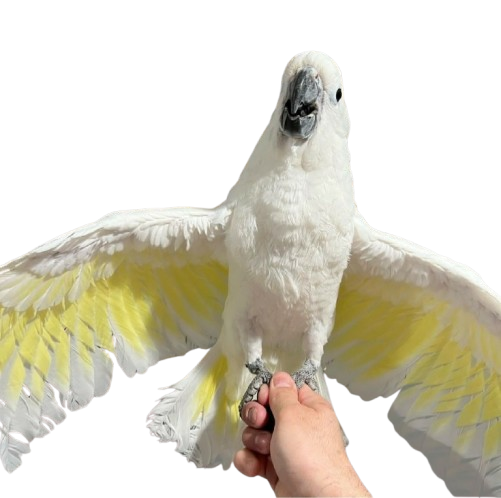
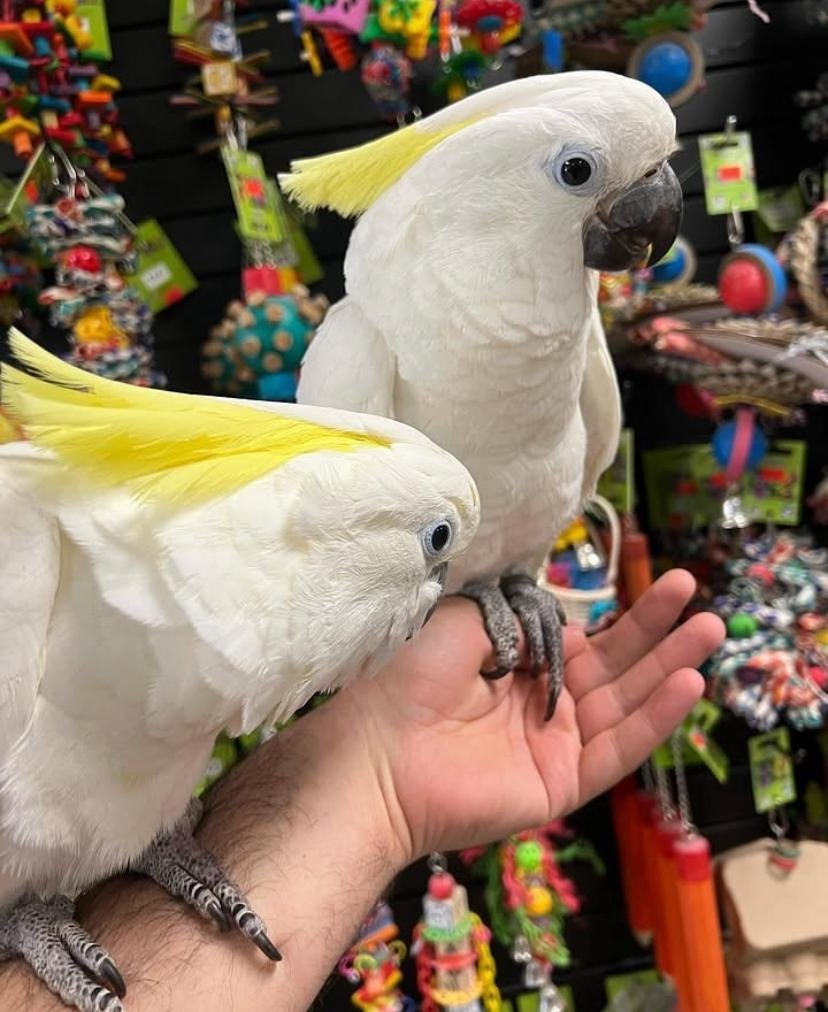
- Sulphur-Crested Cockatoos: Energetic and iconic. They need the largest flight cages and plenty of outdoor time if possible.
Regional Guide for New Owners
Whether you are in California, Florida, or New York, the principles of Preparing Your Home for a Cockatoo remain the same, but you might need to adjust for humidity. In drier climates, you’ll need to prepare your home with a high-quality humidifier, as cockatoos produce a lot of “powder down” which can become a dusty mess if the air is too dry. In more humid areas, keep an eye on cage cleanliness to prevent mold in their substrate.
Preparing Your Home for a Cockatoo: The Final Checklist
Before you make that final move to bring a bird into your life, go through your checklist one last time. Is the cage away from drafts? Are your plants safe? (Wait, I forgot to mention plants—many common ones like Lilies or Philodendrons are toxic, so check those too). Preparing Your Home for a Cockatoo is a lot of work, but doing it right means you get to enjoy the incredible companionship of these birds without the stress of constant emergencies.
At COCKATOO FOR SALE HOME, we’re here to help. Whether it’s choosing the right cage liners or picking out the first set of toys, Michael Anderson and our team can walk you through the process. It’s a big commitment, and honestly, some days it’s a bit overwhelming, but when that bird finally settles in and feels safe, you’ll know all that preparation was worth it.
Conclusion
Preparing Your Home for a Cockatoo is a labor of love that requires attention to detail and a willingness to change your daily habits for the safety of your bird. From securing a massive, high-quality enclosure at COCKATOO FOR SALE HOME to purging your kitchen of dangerous toxins, every step you take builds a foundation for a long, healthy life together. By following these expert tips, you ensure that your home isn’t just a place where a bird lives, but a sanctuary where they can truly thrive as a member of your family.
Frequently Asked Question
What is the single most dangerous thing when Preparing Your Home for a Cockatoo?

The most immediate and “hidden” danger is undoubtedly Teflon (PTFE/PFOA) fumes from non-stick cookware and certain space heaters. Because cockatoos have a highly sensitive respiratory system, these fumes can cause instant lung hemorrhaging and death. When Preparing Your Home for a Cockatoo, replacing all non-stick items with bird-safe alternatives like stainless steel or ceramic is the absolute first thing any responsible breeder, including Michael Anderson, will tell you to do.