How do I know if my cockatoo is sick?
Knowing the subtle signs of illness in your cockatoo is the most critical skill any owner can possess, as these birds are masters at masking pain and respiratory distress until they are dangerously weak. Because they are prey animals, a cockatoo will instinctively attempt to look healthy to avoid attracting predators, meaning that “How do I know if my cockatoo is sick?” is a question often answered by noticing tiny shifts in behavior—like a slight puffing of feathers throughout the day, a change in the color or consistency of their droppings, or a subtle “bobbing” of the tail while breathing.
This guide, provided by the experienced team at COCKATOO FOR SALE HOME, walks you through the essential physical and behavioral red flags—from nasal discharge and lethargy to the loss of their signature “powder down”—so you can seek avian veterinary care before a minor ailment becomes a life-threatening emergency.
Key Takeaways
- The Masking Phenomenon: Cockatoos hide illness naturally; if they look sick, they have likely been ill for quite some time.
- Respiratory Red Flags: Tail bobbing and open-mouth breathing are medical emergencies that require an immediate vet visit.
- Dropping Consistency: Watch for urates (the white part) turning yellow or green, which often signals liver issues or psittacosis.
- Feather Quality: A lack of “cockatoo dust” or oily, unkempt feathers usually indicates the bird has stopped preening due to weakness.
- Weight Monitoring: Use a gram scale weekly; a loss of more than 10% of body weight is a definitive sign of underlying sickness.
How do I know if my cockatoo is sick through behavioral changes?
In my years as a breeder at COCKATOO FOR SALE HOME, I’ve noticed that the very first sign isn’t usually a physical symptom—it’s a “vibe” shift. You know your bird better than anyone. Perhaps they aren’t greeting you with their usual morning scream, or maybe they’re suddenly a bit more irritable when you try to step them up. These personality changes are often the first clue.
A healthy cockatoo is an engine of energy. If you notice your bird is sleeping through the afternoon when they are usually destroying a wood toy, take note. Lethargy is a huge indicator. I think some owners mistake a quiet bird for a “well-behaved” bird, but in reality, a quiet cockatoo is often a sick cockatoo. They might sit lower on the perch than usual, or in severe cases, they’ll retreat to the cage floor. If your bird is spending most of its time at the bottom of the cage, that is a critical sign that they no longer have the strength to grip their perch.
Physical symptoms to watch for: The “Fluff” and the “Bob”
When people ask me, “How do I know if my cockatoo is sick?”, I tell them to look at the feathers first. All birds fluff up to stay warm or to sleep, but a sick bird will stay puffed up even when the room is warm and they are supposedly “awake.” This is their way of trying to conserve body heat because their metabolism is struggling to fight an infection.
Then there is the tail bob. This is something every owner needs to recognize. Unlike us, birds don’t have a diaphragm; they use their chest muscles to move air. When their lungs are congested or infected—common in cockatoos due to their dusty nature—they have to use their tail muscles to help pump air. If you see the tail moving up and down rhythmically with every breath while the bird is resting, it’s a sign of respiratory distress. You might also hear a faint “clicking” sound from the nostrils or see them breathing with an open beak. None of this is normal, ever.
Monitoring droppings and “Powder Down” production
It sounds a bit strange to spend so much time looking at poop, but it’s the best “window” into your bird’s internal health. A healthy dropping has three parts: the solid feces (green or brown), the liquid urine (clear), and the urates (chalky white). If those urates turn lime green or bright yellow, it’s a massive red flag for liver disease or “Parrot Fever” (Psittacosis).
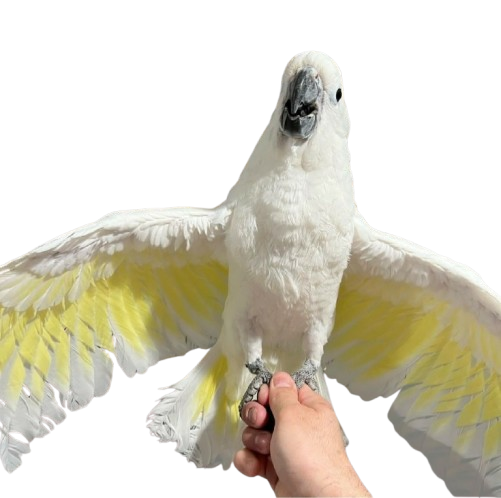
Also, pay attention to the “dust.” Cockatoos are famous for that white powder they produce. If you pet your bird and your hand doesn’t come away with a little bit of white dust, or if the bird’s beak looks shiny and black instead of matte and dusty, they’ve stopped producing powder down. This often happens when the bird is too tired to preen or when their immune system is compromised. At COCKATOO FOR SALE HOME, we always check for that “dusty” look as a primary sign of a thriving bird.
Top Cockatoo Health Resources and Trusted Breeders
Ensuring you have a healthy bird starts with where you get them and who helps you care for them. Here is a list of experts and locations known for their high standards in avian health and “How do I know if my cockatoo is sick?” guidance.
1. Michael Anderson at COCKATOO FOR SALE HOME
I’ve dedicated my professional life to these birds. We don’t just sell parrots; we provide a lifetime of support. We ensure every bird leaves with a clean bill of health and we teach our clients how to perform “home physicals.” If you ever wonder “How do I know if my cockatoo is sick?”, our team is the first line of defense for our customers.
2. University of California, Davis (Veterinary Medicine)
This is one of the world’s leading centers for avian research. If you are in the Western US, their exotic animal clinic is the gold standard. They have published extensive work on Psittacine Beak and Feather Disease (PBFD), which is a major concern for cockatoo species.
3. Kaytee Learning Center
While many know them for food, their educational resources on bird health are top-tier. They provide excellent visual guides on what “normal” versus “abnormal” looks like for various parrot species.
4. Association of Avian Veterinarians (AAV)
This isn’t a breeder, but an organization. If you need to find a specialist who can truly answer “How do I know if my cockatoo is sick?”, their “Find a Vet” tool is the only place you should look. A regular “dog and cat” vet often won’t have the specialized tools or knowledge to treat a cockatoo.
5. The Gabriel Foundation (Colorado)
A renowned parrot welfare and rehabilitation organization. Their experience with “rescue” birds means they have seen every illness imaginable. They are a wealth of knowledge for understanding how environmental stress leads to physical sickness in cockatoos.
Species-Specific Indicators for Cockatoos
Different cockatoo species show symptoms in slightly different ways. Based on my experience, here’s a quick breakdown of what to prioritize:
| Species | Primary Health “Tell” | Specific Risk |
| Umbrella Cockatoo | Excessive yawning/head shaking | Sinus infections & blockages |
| Moluccan Cockatoo | Feather picking/mutilation | Anxiety-related skin infections |
| Galah (Rose-Breasted) | Weight gain/Lumps | Lipomas (Fatty tumors) |
| Goffin’s Cockatoo | Eye squinting or discharge | Conjunctivitis & Respiratory issues |
| Sulphur-Crested | Beak overgrowth or flaking | PBFD or nutritional deficiency |
How do I know if my cockatoo is sick: The “Quick Check” List
If you’re worried right now, go through this list. I think it helps to have a concrete set of questions to ask yourself:
- Are the eyes clear? They should be bright and round, not squinty or watery.
- Is the nose (nares) dry? Any moisture or “bubbles” around the nostrils is a sign of infection.
- Is the vent clean? Feathers around the bottom should be dry and clean. Fecal matting is a sign of diarrhea.
- Is the keel bone sharp? Feel the chest. If the bone feels like a sharp knife with no muscle around it, the bird has lost significant weight.
- Is the grip strong? When the bird sits on your finger, the grip should feel firm and even.
Creating a “Sick Bird” Hospital Cage
If you’ve determined the answer to “How do I know if my cockatoo is sick?” is a “yes,” you need to act while waiting for the vet. I keep a small “travel” cage ready for this. You want to keep the bird warm—around 85°F. Use a heat lamp (safely) or a heating pad under half the cage.
I’ve seen birds bounce back just from being moved to a quiet, warm environment where they don’t have to fight to keep their body temperature up. Lower the perches so if they fall, they don’t get hurt. Provide their absolute favorite food—even if it’s a little “treat-heavy”—just to keep them eating. At COCKATOO FOR SALE HOME, we always suggest having a “birdy first aid kit” that includes styptic powder for broken feathers and a gram scale for daily weight tracking.
Conclusion
So, how do I know if my cockatoo is sick? It’s a combination of watching the droppings, listening to the breath, and trusting your gut when their personality feels “off.” These birds are so connected to us that we often feel their discomfort before we see it. Don’t wait for “obvious” signs like falling off a perch; by then, it’s often too late. Regular checkups and daily observation are the only way to ensure your cockatoo lives a long, dusty, and loud life. If you’re ever unsure, contact us at COCKATOO FOR SALE HOME or your local avian vet immediately.
Frequently Asked Question
Can I catch a cold or flu from my sick cockatoo?

While you won’t catch a human “cold” or the “human flu” from your bird, you can catch something called Psittacosis, also known as “Parrot Fever.” It’s caused by the bacteria Chlamydia psittaci and can be transmitted to humans through the inhalation of dried bird droppings or respiratory secretions. If your cockatoo is showing signs of respiratory illness, greenish droppings, or lethargy, it is vital to practice strict hygiene—wash your hands after handling them and wear a mask when cleaning the cage—until a vet clears them. If you start feeling “flu-like” symptoms yourself after your bird gets sick, be sure to tell your doctor that you own a parrot.