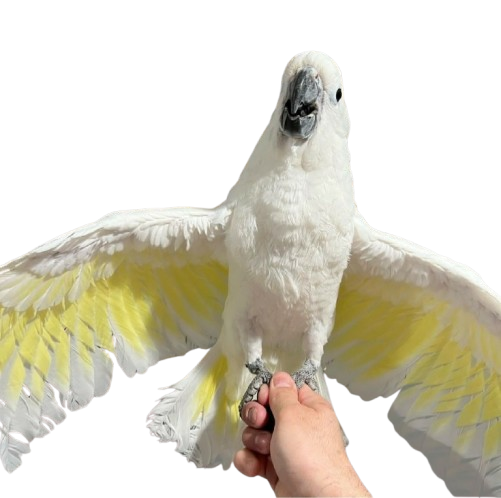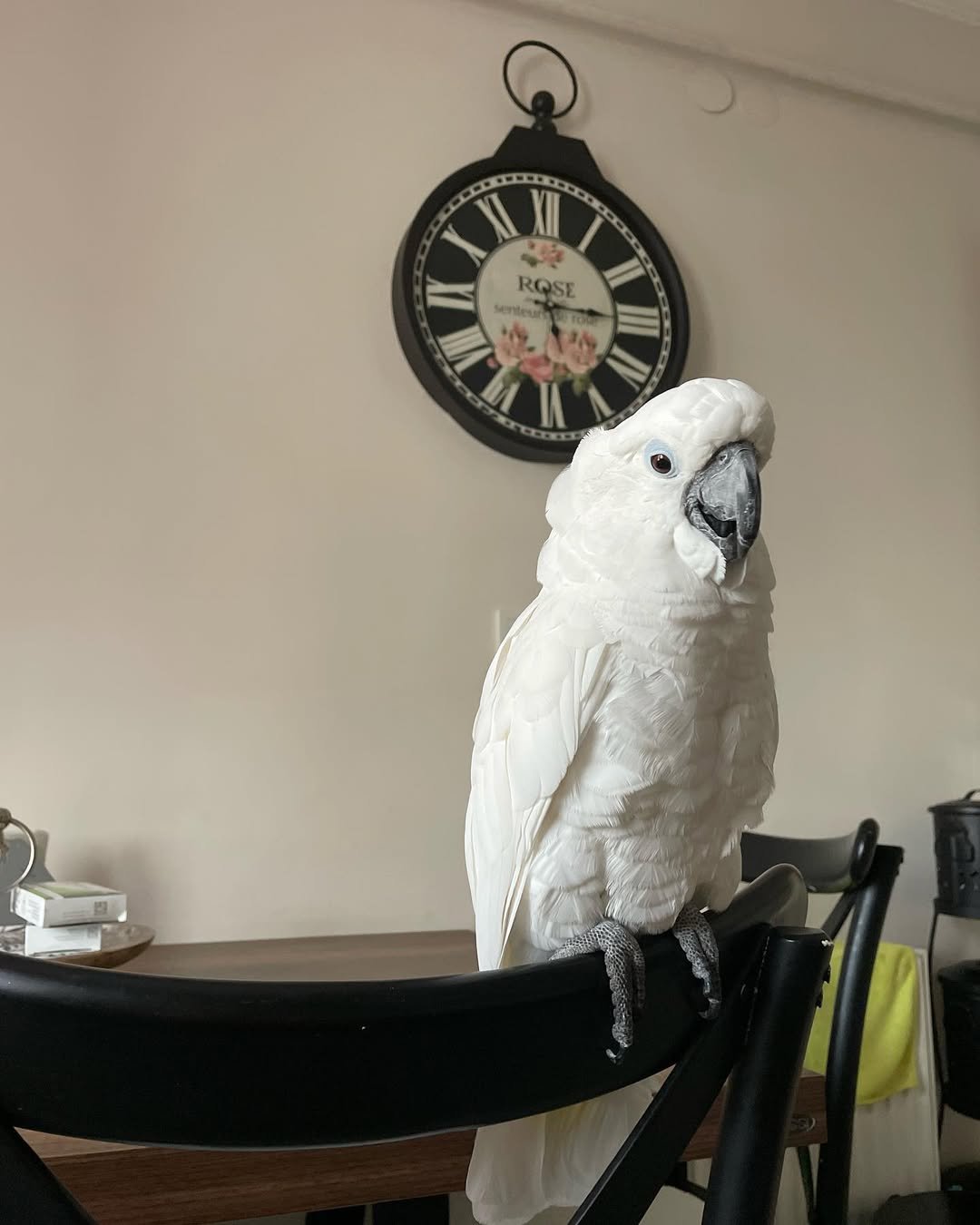
Why do cockatoos scream or screech?
Why do cockatoos scream or screech? This is the million-dollar question that every new owner eventually asks, usually around 6:00 AM on a Sunday when their living room sounds like a prehistoric jungle. To be blunt, cockatoos scream because it is their primary way of communicating across vast distances in the wild, and while it’s perfectly natural behavior, it often becomes a problem in a quiet suburban home due to boredom, hormones, or a lack of social structure.
In this deep dive, I’ll explain the difference between a “happy” morning shout and a distressed screech, how our experience at COCKATOO FOR SALE HOME helps us raise birds with better vocal boundaries, and the specific strategies you can use to turn down the volume. Whether you are dealing with a vocal Moluccan or a chatty Galah, understanding the “why” behind the noise is the first step toward a more peaceful household and a healthier relationship with your feathered companion.
Key Takeaways
- Natural Communication: Screaming is how cockatoos check in with their flock; it is not always a sign of anger.
- Environmental Triggers: Lack of sleep, high sugar diets, and boredom are the most common causes of excessive noise.
- The “Drama” Trap: Responding to a scream with a yell of your own only reinforces the behavior.
- Species Variance: Some cockatoos, like Umbrellas, use vocalization more for emotional expression than others.
Why do cockatoos scream or screech?
When someone calls me up and asks, “Why do cockatoos scream or screech?”, I usually start by asking them what they did right before the noise started. You see, these birds are masters of cause and effect. If a bird lets out a window-rattling shriek and you immediately run into the room to say “Shhh!”, you haven’t disciplined them—you’ve just rewarded them with your presence. To the bird, that scream worked perfectly. They wanted attention, and they got it. It’s a hard pill to swallow, but often, we are the ones who train our birds to be loud.
I’ve been breeding these birds for a long time, and I still remember a Sulphur-crested I had years ago who would scream every time I used the blender. He wasn’t scared; he just wanted to be louder than the machine. That’s a cockatoo for you. They have this innate need to be the “lead singer” of the house. But there’s also the biological side. In the wild, they scream at dawn and dusk to signal the flock to gather. It’s like an roll call.
If you’re asking “Why do cockatoos scream or screech?” during those times, the answer is simply that their internal clock is telling them it’s time to be heard. You can’t stop that entirely, nor should you—it’s part of who they are.
The Difference Between Normal and Abnormal Screaming
It’s important to distinguish between “I’m happy it’s morning” noise and “I’m losing my mind” noise. If you’re wondering “Why do cockatoos scream or screech?” all day long, that’s a red flag. A healthy bird should have bursts of vocalization, followed by long periods of quiet foraging, preening, and playing. At COCKATOO FOR SALE HOME, we watch for these patterns carefully.
- The Contact Call: This is usually a short, sharp screech. The bird is asking, “Are you there?” If you answer with a soft whistle or a calm word from the other room, they usually settle down.
- The Alarm Call: This is frantic. Maybe they saw a hawk outside the window or a neighbor’s cat. This is a survival instinct.
- The Boredom Scream: This is the one that lasts for forty-five minutes. It’s a rhythmic, repetitive screech. It happens when the bird has nothing else to do with its brain.
- The Hormonal Screech: During breeding season, everything gets louder. Their hormones are telling them to find a mate and defend a territory, and that energy has to go somewhere.
How We Address Vocalization at COCKATOO FOR SALE HOME
One thing I pride myself on as a breeder is how we socialize our babies. When people ask “Why do cockatoos scream or screech?”, I tell them it starts in the nest. We don’t rush to every little peep. We teach our birds that quiet behavior gets the best rewards. If you visit our facility, you’ll notice it’s surprisingly quiet for a place with dozens of large parrots. That’s because we provide constant foraging opportunities. A mouth that is busy chewing on a piece of natural manzanita or searching for a hidden pine nut is a mouth that isn’t screaming.
I think a lot of the issues owners face come from birds that weren’t “flighted” or socialized properly. A bird that can fly and explore has a lot more confidence. When a bird feels confident, they don’t feel the need to scream for reassurance every five minutes. So, if you’re looking for a companion, keep in mind that how a bird was raised heavily influences the “Why do cockatoos scream or screech?” dynamic in your own home.
Top Breeders and Cockatoo Species Vocal Profiles
Not all cockatoos have the same volume or frequency. If you are sensitive to noise, your choice of species is the most important decision you’ll make. As Michael Anderson, I’ve worked with hundreds of these birds, and here is how they generally compare.
| Cockatoo Species | Volume Level | Frequency | Why do they scream? |
| Moluccan Cockatoo | 135+ Decibels | High | Emotional expression and “flock check-ins.” |
| Umbrella Cockatoo | Very High | Moderate | Seeking physical contact or attention. |
| Galah (Rose-Breasted) | Moderate | Low | Excitement during play or flight. |
| Goffin’s Cockatoo | High (Piercing) | Moderate | Frustration with puzzles or lack of toys. |
| Major Mitchell’s | Moderate | Low | Territorial warnings or morning greetings. |
User Guide: Training Your Cockatoo to Be Quiet
If you’re already living with a screamer and asking “Why do cockatoos scream or screech?”, don’t lose hope. It takes time, but you can “re-wire” their vocal habits.
- The “Bridge” Whistle: Instead of letting them scream to find you, teach them a specific whistle. When they whistle, you answer. When they scream, you go silent and leave the room.
- The Foraging Solution: I cannot stress this enough. 90% of “Why do cockatoos scream or screech?” problems are actually “Why is my bird so bored?” problems. Hide their meals. Make them work for it.
- Sleep Hygiene: A tired cockatoo is a loud cockatoo. They need 10 to 12 hours of total darkness and quiet. If they are in the living room with the TV on until 11:00 PM, they will be cranky and vocal the next day.
- Reward the Silence: We often forget to praise our birds when they are being good. If your bird is sitting quietly playing with a toy, walk over and give them a treat. Let them know that “quiet” is a behavior that gets noticed.
Shipping and Location-Based Considerations for 2026
In 2026, many cities have passed “noise nuisance” ordinances that specifically include loud pets. This is why it’s more important than ever to manage the “Why do cockatoos scream or screech?” issue. When we ship birds from COCKATOO FOR SALE HOME, we take into account the destination. If you’re in an apartment in New York or a townhouse in San Francisco, we might suggest a Galah or a Bare-eyed Cockatoo rather than a Moluccan. We use professional avian couriers who understand that a screaming bird on a plane is a stressed bird, and they use darkened, sound-dampening crates to ensure the bird arrives calm and quiet.
Conclusion
“Why do cockatoos scream or screech?” isn’t a question with one answer; it’s a window into the soul of one of the most complex animals on earth. They scream because they have big emotions, big voices, and a big need for connection. By understanding that their noise is a form of language, you can start to translate it and respond in a way that doesn’t involve a shouting match. At COCKATOO FOR SALE HOME, we are here to help you navigate those noisy mornings. My name is Michael Anderson, and I’ve found that while you can’t take the “scream” out of the cockatoo, you can definitely build a home where it’s the exception, not the rule.
Frequently Asked Question
Q: My cockatoo only screams when I’m on the phone or talking to my spouse. Why?

A: This is classic “competition” behavior. To your bird, you are part of their flock. When you talk to someone else (especially on a phone where they can’t see the other person), they feel excluded from the “conversation.” They scream to join in or to demand that you stop talking to the “invisible flock member” and pay attention to them. It’s a very common reason for “Why do cockatoos scream or screech?” and is best handled by giving the bird a high-value foraging toy before you start your call, so they are too busy eating to worry about your conversation.