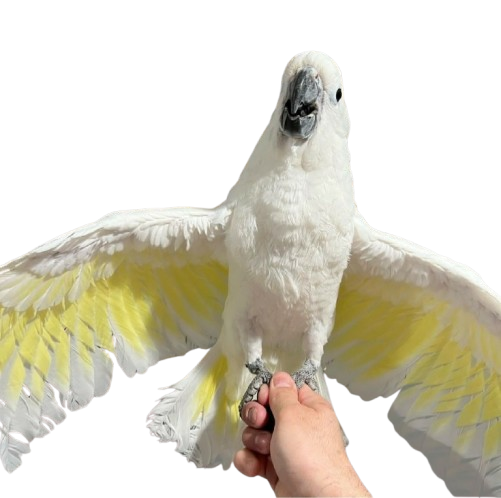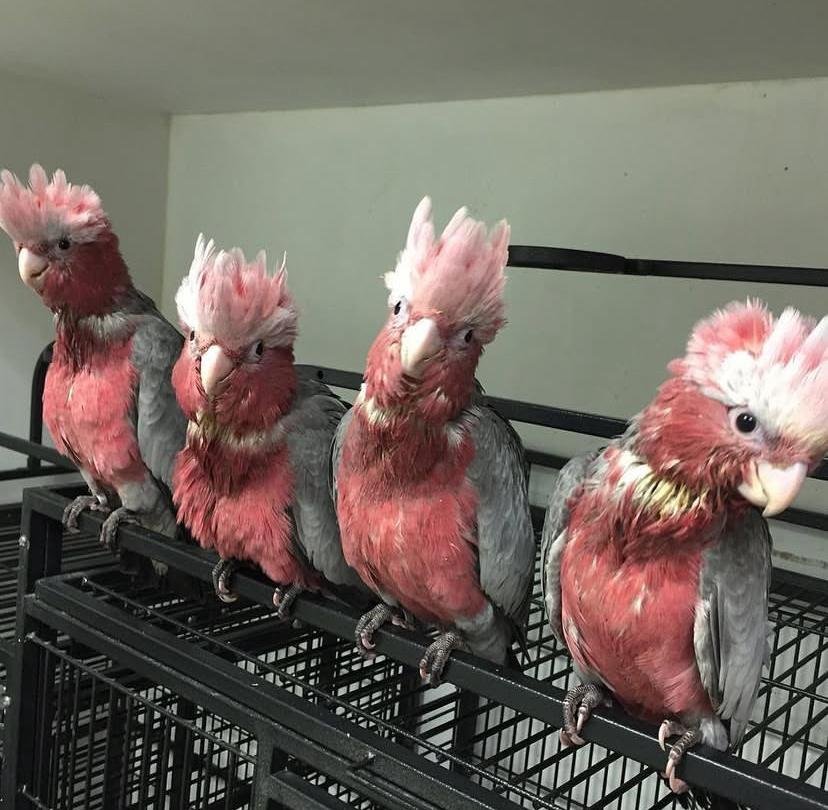
How often should I feed my cockatoo?
Establishing a consistent feeding schedule is the cornerstone of cockatoo health, generally requiring two main meals per day—once in the early morning and again in the early evening—to mimic their natural foraging patterns in the wild. At COCKATOO FOR SALE HOME, we’ve found that a “grazing” approach where food is left out all day often leads to obesity and picky eating, so providing structured meal times allows you to monitor exactly how much your bird is consuming while ensuring they receive a balanced mix of 70% high-quality pellets and 30% fresh vegetables, fruits, and healthy grains.
This guide, written from the perspective of an experienced breeder, will walk you through the nuances of juvenile versus adult feeding, the dangers of seed-only diets, and how to adjust your frequency based on your bird’s specific activity level and species.
Key Takeaways
- Twice Daily is Ideal: Aim for a breakfast and a “dinner” to keep metabolism steady.
- Pellets Over Seeds: 70% of the daily intake should be a formulated pellet to prevent malnutrition.
- Fresh is Best: Daily portions of dark leafy greens and orange veggies provide essential Vitamin A.
- Remove Uneaten Food: Fresh produce should only stay in the cage for 2–4 hours to prevent bacterial growth.
- Monitor Weight: Use a gram scale weekly to ensure your feeding frequency is meeting your bird’s energy needs.
How often should I feed my cockatoo for optimal health?
When people visit us at COCKATOO FOR SALE HOME, one of the first things they ask is about the schedule. I’ve been raising these birds for a long time, and I think we sometimes overcomplicate it, but then again, these aren’t dogs. You can’t just drop a bowl of kibble and walk away. In the wild, cockatoos are busiest at dawn and dusk—that’s when they’re out foraging. To keep them happy in a home environment, I always suggest feeding them twice a day.
Early morning is when they are hungriest. I usually give my birds their “chops”—that’s a mix of chopped fresh veggies and grains—first thing. It gets them excited and uses that natural morning energy for something productive like eating. Then, in the evening, I’ll provide their pellets. This structure prevents them from getting bored. If you’re wondering, “How often should I feed my cockatoo if I work all day?”, you can leave pellets in the cage during the day for snacking, but the “real” meals should be structured. It builds a bond between you and the bird when they know you are the provider of the “good stuff.”
Understanding the “Chop” and pellet balance
It’s not just about how often you feed them, but what you are putting in that bowl. I’ve seen too many birds come into rescues with “seed addiction.” Seeds are high in fat and low in vitamins. If you feed seeds every day, you’re essentially giving your bird a diet of Snickers bars. At COCKATOO FOR SALE HOME, we advocate for a base of high-quality pellets.
Your fresh “chop” should be a daily occurrence. I like to mix kale, broccoli, carrots, and maybe some cooked quinoa or sweet potato. It takes a bit of prep work, but I think it’s worth it. You should see the way an Umbrella Cockatoo’s eyes pin when they see a fresh piece of beet! Just remember, if you put fresh food in the cage at 8:00 AM, you really need to take it out by noon, especially in the summer. It spoils fast, and you don’t want your bird eating bacteria-laden mush.
Feeding schedules for different life stages
The answer to “How often should I feed my cockatoo?” changes as the bird grows. If you have a weanling or a juvenile, they might need three or even four smaller feedings a day. Their metabolisms are like little furnaces. They are growing feathers, developing bone structure, and learning to fly—all of which take massive amounts of energy.
As they hit adulthood, they mellow out (well, as much as a cockatoo can). For a mature bird, those two main meals are plenty. However, if you have a bird that is laying eggs or going through a particularly heavy molt, you might need to increase the frequency or at least the nutrient density of those meals. I’ve noticed that during a molt, my birds get a bit “cranky” if their dinner is late. They need those extra proteins and fats to produce new feathers. It’s a physical strain on them, so I might add a little extra hemp seed or a bit of hard-boiled egg during those times.
Top Cockatoo Breeders and Nutritional Resources in the USA
Finding the right bird and the right advice is key to a long-lived companion. Here are some of the top resources and breeders known for their commitment to avian nutrition:
1. Michael Anderson at COCKATOO FOR SALE HOME
Our focus is on the long-term health of the parrots we place. We provide every new owner with a detailed feeding chart and a “starter kit” of the pellets and grains our birds are used to. We believe that a bird started on a diverse diet is much easier to manage than one raised on sunflower seeds.
2. Omar’s Exotic Birds (California)
Omar’s is famous for their socialization techniques, but their nutritional advice is also top-notch. They have been a staple in the bird community for decades and emphasize the importance of raw, whole foods. They are a great place to see “How often should I feed my cockatoo” put into practice in a professional setting.
3. Bird Gardens of Naples (Florida)
As a sanctuary and education center, they have seen the results of decades of poor feeding. Their “Experience” with older birds that have lived through the “seed-only” era of the 80s and 90s is invaluable. They provide great workshops on how to transition a picky eater to a healthy diet.
4. Texas A&M University (Schubot Exotic Bird Health Center)
For the “Expertise” side of things, the researchers at Texas A&M are leaders in avian science. They provide detailed papers on the metabolic needs of parrots. If you want to know the “why” behind the “how often,” their clinical studies are the best place to look.
5. The Gabriel Foundation (Colorado)
This is a high-standard welfare organization. They offer “Parrot University” classes that cover everything from behavior to complex nutrition. Their “Authoritativeness” in the bird world is second to none, and they really help owners understand the link between diet and behavior (like feather plucking).
Species-Specific Feeding Nuances
Not all cockatoos have the same caloric needs. A tiny Goffin’s has a different “burn rate” than a massive Moluccan. Here is a quick guide to help you tailor your schedule:
| Cockatoo Species | Activity Level | Feeding Frequency Notes |
| Galah (Rose-Breasted) | High (Prone to obesity) | Strict 2 meals; avoid high-fat treats entirely. |
| Umbrella Cockatoo | Moderate | 2 meals + foraging toys to keep them busy during the day. |
| Moluccan Cockatoo | Low to Moderate | Large meals, but monitor for “emotional eating” or boredom. |
| Goffin’s Cockatoo | Very High | Might benefit from small, frequent “energy” snacks. |
| Sulphur-Crested | High | Needs high fiber to prevent digestive sluggishness. |
The importance of “Foraging” in your feeding routine
In the wild, a cockatoo doesn’t have a bowl. They spend 60–80% of their day looking for food. If you just give them a bowl and they finish it in five minutes, they have the rest of the day to get into trouble—like screaming or plucking. This is why I think “How often should I feed my cockatoo?” should also include “How do I feed them?”
I like to hide pellets inside cardboard boxes, or wrap a nut in several layers of paper. This makes them work for it. It slows down their eating and keeps their mind sharp. I’ve seen birds that were “problem chewers” completely change their behavior once they had to work for their dinner. It’s a simple shift, but it makes a world of difference. At COCKATOO FOR SALE HOME, we always suggest using at least one foraging toy per day.
Transitioning a picky eater to a new schedule
If you’ve inherited a bird or bought one that was used to having a full bowl of seeds 24/7, changing to a structured “twice a day” schedule can be a challenge. They will complain. They might even throw their “new” healthy food at you.
The trick is to be more stubborn than the bird. I usually start by mixing the pellets with a bit of organic fruit juice or warm water to make them more “mash-like.” Cockatoos love warm food—it reminds them of being fed as babies. Gradually reduce the seeds over a few weeks. If you’re worried about them not eating, weigh them every morning. If they lose more than 10% of their weight, you’re moving too fast. But usually, if they get hungry enough, they will eventually try the “green stuff.”
Conclusion
So, how often should I feed my cockatoo? Stick to a morning and evening routine, prioritize pellets and fresh produce, and don’t be afraid to make them work for their treats. A structured diet leads to a more predictable, calmer bird. We want your experience with your pet to be a success, and that starts in the kitchen. If you ever have questions about specific brands or recipes, feel free to reach out to us at COCKATOO FOR SALE HOME. We’ve been through it all and are happy to share what we’ve learned over the years.
Frequently Asked Question
Can I give my cockatoo “human food” like pasta or bread?

In moderation, plain cooked pasta, brown rice, or a tiny piece of whole-grain toast is okay as an occasional treat, but it shouldn’t be a staple of their diet. The problem with “human food” isn’t necessarily the food itself, but the stuff we put on it. Salt, butter, onions, and garlic are all toxic to cockatoos. Also, birds are lactose intolerant, so never give them cheese or milk. If you’re sharing a snack, keep it to plain, unseasoned vegetables or a small piece of fruit. Always remember that a cockatoo’s stomach is tiny; a cracker to them is like a whole loaf of bread to us!