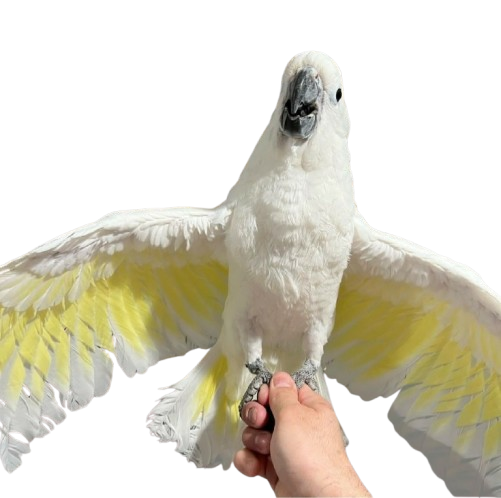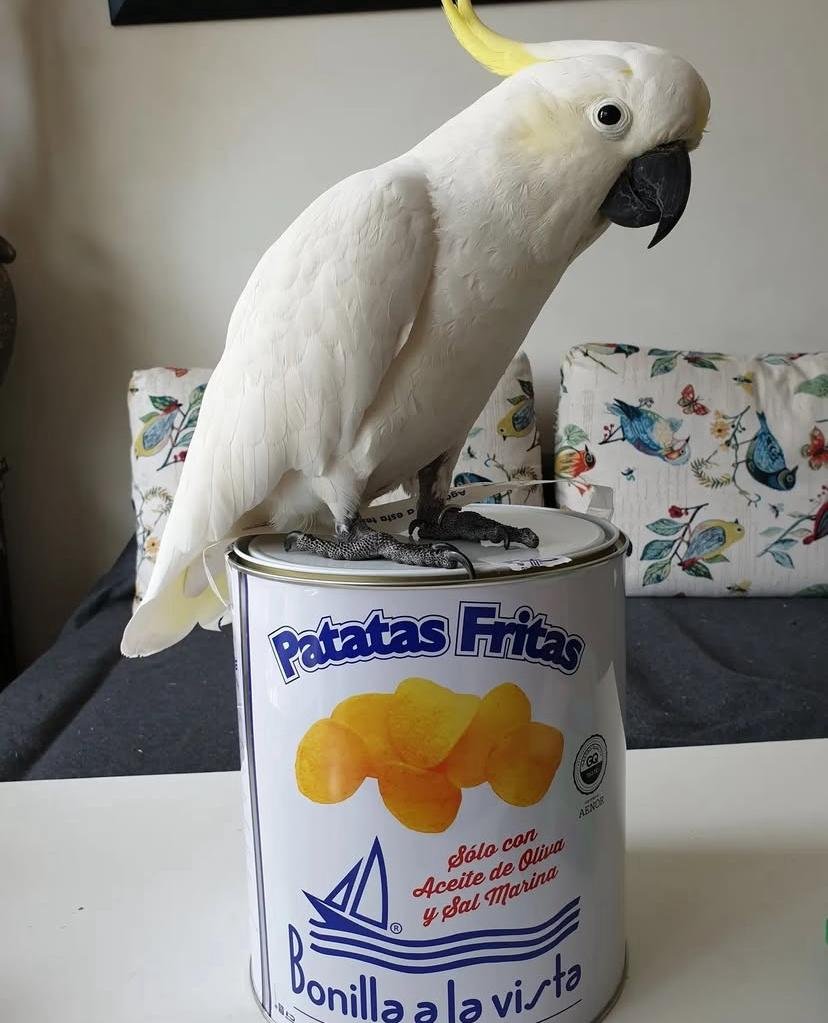
How often should I take my cockatoo to the vet?
Taking your cockatoo for a professional avian checkup at least once a year is the baseline for responsible ownership, though many experienced breeders and veterinarians now suggest a bi-annual schedule—every six months—to stay ahead of their instinctive habit of hiding illness. Because these birds are prey species in the wild, they are masters at appearing perfectly healthy even when they’re struggling internally, making these routine visits the only real way to catch respiratory issues or nutritional deficiencies before they become life-threatening.
This post breaks down the essential timing for vet visits, what happens during a typical exam at COCKATOO FOR SALE HOME recommended clinics, and the specific “red flag” symptoms that mean you shouldn’t wait for your next scheduled appointment.
Key Takeaways
- Annual Exams are Mandatory: At minimum, an avian vet should see your cockatoo once a year for blood work and a physical.
- The “New Bird” Visit: Always schedule an exam within the first 1–2 weeks of bringing a new cockatoo home.
- Bi-Annual is Better: For aging birds or those with a history of feather plucking, every six months is the gold standard.
- Emergency Signs: Fluffed feathers, labored breathing (tail bobbing), and changes in droppings require immediate attention.
- Preventative Care Saves Money: Routine wellness exams (approx. $75–$150) are far cheaper than emergency surgeries or long-term disease treatments.
How often should I take my cockatoo to the vet for routine wellness?
I get asked this constantly by new owners who visit us at COCKATOO FOR SALE HOME. The short answer is: you need to see an avian specialist at least once a year. I’ve been around these birds for decades, and if there’s one thing I’ve learned, it’s that a “healthy-looking” cockatoo can be a very clever actor. In the wild, showing weakness means getting picked off by a predator, so they’ve evolved to keep a “stiff upper lip” until they literally can’t stand up anymore.
By the time you notice your bird is lethargic, they might have been sick for weeks. That annual visit isn’t just for a quick “look-over.” It’s for the baseline data—the weight tracking, the fecal smears, and the blood panels. If we know what your bird’s “normal” looks like in January, we can spot a problem in June much faster. For older birds, say over 20 or 30 years old, I personally start moving my own flock to a six-month rotation. Their kidneys and livers start to work a bit harder as they age, and catching a spike in uric acid early can make a massive difference in their quality of life.
Why the first “New Bird” exam is the most important
If you’ve just picked up a beautiful Umbrella or Moluccan, the clock is ticking. I always tell my clients that how often should I take my cockatoo to the vet starts with day one. You want an avian vet to see that bird within the first ten days. This “well-bird” exam ensures that your new family member didn’t bring any “hitchhikers” like Psittacine Beak and Feather Disease (PBFD) or Chlamydia (psittacosis) into your home.
During this initial visit, the vet will likely do a “Gram stain” to check for yeast or bacterial imbalances in the digestive tract. It’s also the perfect time to talk about diet. Most health issues I see in rescues or surrendered birds come down to “seed-only” diets that lead to fatty liver disease. A vet can help you transition them to a high-quality pellet and fresh veg routine safely.
Recognizing emergency signs: When you can’t wait for a scheduled visit
Sometimes the calendar doesn’t matter. If you see certain shifts in behavior, the question isn’t “how often should I take my cockatoo to the vet,” but “how fast can I get there?”
Keep a close eye on their “powder down.” Cockatoos are dusty birds; if they suddenly stop producing that white powder and their feathers look oily or ragged, something is wrong. Other immediate red flags include:
- Tail Bobbing: If their tail moves up and down significantly with every breath, they are struggling to breathe.
- The “Fluff”: A bird that stays puffed up at the bottom of the cage is in trouble.
- Dropping Changes: If the white part (urates) turns yellow or green, or if the droppings become purely liquid for more than a day.
- Quietness: Cockatoos are loud. If your “screamer” is suddenly silent and tucked away, they’re likely conserving energy to fight an infection.
Top Cockatoo Breeders and Avian Resources in the USA
Finding a bird is easy; finding a breeder who prioritizes health and long-term support is the hard part. Here are some of the most recognized names and regions for quality avian care and breeding:
1. COCKATOO FOR SALE HOME (National/Online)
We specialize in hand-raised, well-socialized cockatoos. Our focus is on the “Experience” side of breeding—ensuring each bird is transitioned to a varied diet and has had its first health screening before leaving our care. We provide lifelong guidance on everything from cage setup to veterinary schedules.
2. Omar’s Exotic Birds (California)
With decades of experience, Omar’s is a staple in the avian community. They are known for their “petting zoo” style showrooms where birds are socialized on open perches. They emphasize the importance of regular grooming (beaks and nails) which often serves as a mini-health check between full vet exams.
3. M & D Bird Farm (Delaware/Mid-Atlantic)
A fantastic resource for those in the Northeast. They offer hand-fed birds and have a strong focus on education. They also provide boarding services, which is a great time to have a bird looked over by their experienced staff to see if a formal vet visit is overdue.
4. Florida Avian Networks (Southeast)
Florida is a hub for avian expertise due to the climate. Many of the country’s top avian veterinarians are based here, and the breeders in this region often work closely with University of Florida’s exotic animal programs to maintain high E-E-A-T standards in their flocks.
Cockatoo Species and Specific Health Risks
Not all cockatoos are built the same. When considering how often should I take my cockatoo to the vet, you have to look at the species-specific quirks:
| Species | Common Health Concern | Recommended Vet Frequency |
| Rose-Breasted (Galah) | Obesity & Lipomas (Fatty tumors) | Every 6-12 months + Weight checks |
| Umbrella Cockatoo | Behavioral plucking & Cloacal prolapse | Annual (Strict behavior monitoring) |
| Moluccan Cockatoo | High anxiety & Self-mutilation | Every 6 months |
| Goffin’s Cockatoo | Sarcocystosis & Respiratory issues | Annual |
Conclusion
Ultimately, the frequency of your vet visits is a pact of trust between you and your feathered companion. While an annual exam is the standard, being an observant “parrot parent” is what really saves lives. I think it’s easy to get complacent when they seem fine, but a quick trip to a specialist once or twice a year is a small price to pay for a bird that can live for 60 to 80 years. We want your experience with COCKATOO FOR SALE HOME birds to be a long and happy one, so don’t skip the professional checkups.
Frequently Asked Question
How much does a typical cockatoo vet visit cost?

In 2026, you can generally expect to pay between $75 and $150 for a standard wellness exam. However, if your vet recommends a full “senior” panel—including blood work, a fecal exam, and perhaps a digital X-ray to check the heart and lungs—the total can range from $300 to $500. While it sounds steep, catching a treatable infection early is always more affordable than an emergency room visit at 2:00 AM, which can easily top $1,000 before any treatment even begins. Always ask for a written estimate before the vet starts diagnostic tests so you can manage your budget.